-
Prep Time: 15 Minutes
-
Resting Time: 15 Minutes
-
Total Time: 30 Minutes
-
Servings: 6 (Approx. ½ cup each)
-
Calories: 25 kcal per serving
-
Intensity Level: Low (Physical), Variable (Spice)
Ingredients
To achieve the perfect balance of flavor, texture, and acidity, precision in ingredient selection is key. This recipe yields approximately 3 cups.
-
6 medium (approx. 2 lbs) Roma Tomatoes: Roma tomatoes are preferred over beefsteak or heirloom varieties because they have fewer seeds and less water content, resulting in a salsa that isn’t soupy.
-
1 medium White Onion: White onions provide the classic pungent bite associated with Pico de Gallo. Red onions can be used for a sweeter, less aggressive flavor, while yellow onions are a bit too mild.
-
1 to 2 Fresh Jalapeño or Serrano Peppers: Serrano peppers are hotter and sharper, while Jalapeños are more grassy and mild. Adjust according to your heat tolerance.
-
1 cup Fresh Cilantro: Leaves and tender stems only. Do not use dried cilantro; it lacks the essential brightness.
-
3 to 4 cloves Fresh Garlic: Finely minced. Garlic is optional in some traditional recipes, but it adds a necessary depth of flavor.
-
2 to 3 Limes: You need fresh juice. Bottled lime juice contains preservatives that alter the flavor profile.
-
1 teaspoon Kosher Salt: Kosher salt dissolves better and adheres to the vegetables more effectively than table salt.
-
½ teaspoon Freshly Ground Black Pepper: Optional, but recommended.
-
1 teaspoon Ground Cumin: Optional, for a warm, earthy undertone.
Equipment Needed
-
Chef’s Knife (8-inch or 10-inch): A sharp knife is crucial. A dull knife will crush the tomatoes rather than slice them, releasing too much water and making the salsa mushy.
-
Cutting Board: Preferably plastic or composite for easy sanitation, though wood is acceptable.
-
Mixing Bowl: Glass or ceramic is best. Metal bowls can react with the acidic lime juice, potentially imparting a metallic taste.
-
Citrus Juicer: A handheld squeezer or a fork works fine.
-
Spoon: For scooping out tomato seeds.
Instructions: The Chronology of Flavor
This recipe is divided into three distinct phases: The Prep (High Intensity), The Assembly (Low Intensity), and The Rest (Zero Intensity).
Phase 1: The Prep (Time: 10 Minutes | Intensity: High)
This is the most labor-intensive part of the process. The goal here is uniformity. A good Pico de Gallo should fit on a chip; if the pieces are too large, the chip breaks.
-
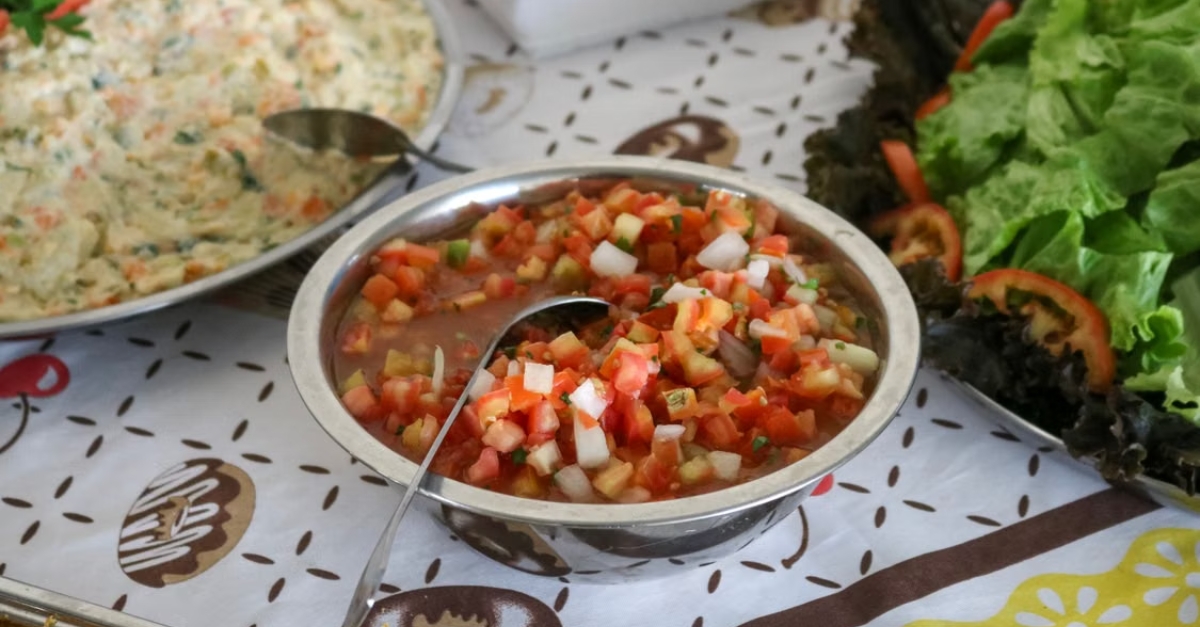
Prepare the Tomatoes: Wash the Roma tomatoes. Slice them in half lengthwise (from pole to pole). Hold each half over a bowl and use your thumb or a spoon to scoop out the watery, seedy pulp. Discard the pulp (or save it for a soup stock).
-
The Dice: Place the tomato halves flat-side down on the cutting board. Slice them into strips, then rotate and dice into roughly ¼-inch cubes. Place the diced tomatoes in a large mixing bowl.
-
The Onion: Peel the white onion. Slice it in half through the root. Place the flat side down and make vertical cuts (not all the way through the root) and then horizontal cuts. Finally, slice across to create a fine dice. You want the onion pieces to be roughly the same size as the tomato pieces—or slightly smaller.
-
The Chilies (The Heat Variable):
-
For Mild Heat: Slice the jalapeño in half and remove all seeds and white ribs (the pith contains the capsaicin). Dice finely.
-
For Medium Heat: Remove seeds but leave some ribs.
-
For Hot Heat: Leave seeds and ribs intact.
-
Safety Note: Wash your hands immediately after handling chilies. Do not touch your eyes or face.
-
-
The Cilantro: Wash the cilantro thoroughly and dry it. Remove the thick, woody bottom stems. Chop the leaves and tender upper stems finely.
-
The Garlic: Mince the garlic cloves as finely as possible. Large chunks of raw garlic can overpower the salsa.
Phase 2: The Assembly (Time: 5 Minutes | Intensity: Low)
Now we bring the ingredients together. This is where the chemistry begins.
-
Combine: Add the diced onion, chilies, cilantro, and garlic to the bowl with the tomatoes.
-
Season: Sprinkle the Kosher salt, black pepper, and cumin (if using) over the mixture.
-
The Lime: Roll your limes on the counter before cutting to maximize juice yield. Cut them in half and squeeze the juice directly over the mixture. Be careful to catch any seeds.
-
The Fold: Using a large spoon, gently fold the ingredients together. Do not stir vigorously. You want to combine the ingredients without crushing the tomatoes or bruising the herbs. The mixture should look like a colorful mosaic.
Phase 3: The Rest (Time: 15 Minutes | Intensity: None)
This is the “magic” phase that separates a good Pico de Gallo from a great one.
-
Maceration: Cover the bowl with plastic wrap or a lid and place it in the refrigerator for at least 15 minutes. During this time, the salt will draw moisture out of the tomatoes and onions (a process called maceration). The lime juice will “cook” the onions slightly, mellowing their harsh bite.
-
Taste and Adjust: After 15 minutes, remove the bowl from the fridge. Give it a taste. Is it bland? Add a pinch more salt. Is it too acidic? Add a tiny pinch of sugar (this cuts acidity). Is it not spicy enough? Add a dash of hot sauce or diced fresh chili.
Serving Note: Pico de Gallo is best served fresh. If it sits too long (over 24 hours), the tomatoes will break down and the cilantro will turn dark and bitter.
Flavor Variations & Intensity Adjustments
While the classic recipe above is the gold standard, you can adjust the “intensity” of the flavor profile based on what you are serving.
-
The “Fruit” Intensity (Mango or Pineapple Pico): Replace 1/3 of the tomatoes with diced mango or pineapple. This adds sweetness to balance the heat. This version pairs incredibly well with grilled fish or pork tacos.
-
The “Smoky” Intensity: Swap the raw jalapeño for a chipotle pepper in adobo sauce (canned). This adds a deep, smoky, medium-heat flavor. Alternatively, grill the jalapeños and onions before dicing for a roasted salsa flavor.
-
The “Herbaceous” Intensity: Add a tablespoon of chopped fresh mint or oregano in addition to the cilantro. This gives a Mediterranean-Mexican fusion twist.
-
The “Cucumber” Intensity: Add half a peeled, seeded cucumber, diced. This adds a refreshing crunch and is excellent during summer months.
Pro-Tips for the Perfect Batch
-
The Salt Timing: Do not salt the salsa more than 30 minutes before serving if you want a crunchy texture. The salt will eventually break down the cell walls of the vegetables, creating a watery liquid at the bottom of the bowl. If you have leftovers, drain the liquid before serving again.
-
The Seed Debate: Some purists insist on removing tomato seeds, while others say the gel around the seeds adds the “umami” flavor. For a chunky salsa, remove the seeds. For a wetter salsa, keep them.
-
Hand Chopping vs. Food Processor: Never use a food processor for Pico de Gallo. It will puree the tomatoes and onions into a paste. The texture is just as important as the taste; you want the “pico” (peck).
-
Acid Balance: If your tomatoes are not sweet (out of season), you may need less lime juice. If they are very sweet, you may need more lime juice to cut the sugar.
Nutritional Analysis
Note: Nutritional values are estimates and will vary based on the exact size of the produce and specific ingredient brands used. This analysis is for one serving (approx. 1/2 cup) of the classic recipe.
-
Calories: 25
-
Total Fat: 0.2g (0g Saturated Fat, 0g Trans Fat)
-
Cholesterol: 0mg
-
Sodium: 200mg (Adjustable based on salt preference)
-
Total Carbohydrates: 6g
-
Dietary Fiber: 1.5g
-
Sugars: 3g (Naturally occurring from tomatoes and onions)
-
-
Protein: 1g
-
Vitamins & Minerals:
-
Vitamin C: 20% Daily Value (DV) – Aids in immune function and collagen production.
-
Vitamin A: 10% DV – Supports vision and skin health.
-
Vitamin K: 8% DV – Important for bone health.
-
Potassium: 200mg – Helps regulate blood pressure.
-
Calcium: 1% DV
-
Iron: 2% DV
-