Prep Time: 5 minutes
Blend Time: 1–2 minutes
Total Time: 6–7 minutes
Yield: Approximately 1–2 tablespoons of fresh paste
Intensity Level: Easy (No cooking required)
Description
Guava leaf paste is a simple, fresh herbal preparation made from the tender leaves of the guava tree (Psidium guajava). This vibrant green paste has been used in traditional Ayurvedic and folk medicine for centuries, prized for its antimicrobial, anti-inflammatory, and antioxidant properties . The leaves contain active compounds including isoflavonoids, gallic acid, ascorbic acid, and carotenoids that help combat skin infections, soothe inflammation, and support overall skin health .
While the paste can be applied topically to the skin as a face mask, it also serves as a base ingredient for various herbal remedies, hair masks, and even culinary preparations like chutneys and thambuli . This recipe provides the foundational paste that can be customized for your specific needs.
Ingredients
-
10–12 fresh guava leaves (tender, young leaves preferred)
-
1 tablespoon rosewater (or plain water if rosewater is unavailable)
-
Optional: 1–2 tablespoons plain yogurt (for sensitive skin)
Instructions
Step 1: Select and Wash the Leaves
Choose 10–12 tender guava leaves from the top of the plant, avoiding any leaves that are damaged, spotted, or discolored. Tender leaves contain higher concentrations of beneficial compounds and blend more easily than mature leaves. Rinse the leaves thoroughly under cool running water to remove dust, dirt, and any residual pesticides. Pat them dry gently with a clean cloth or paper towel .
Step 2: Combine Ingredients
Place the washed guava leaves into a small blender or food processor. Add 1 tablespoon of rosewater. Rosewater not only helps achieve the right consistency but also provides additional soothing and toning benefits for the skin . If you have sensitive skin, you may add 1–2 tablespoons of plain yogurt at this stage; yogurt acts as a gentle buffer and adds moisturizing properties .
Step 3: Blend to a Paste
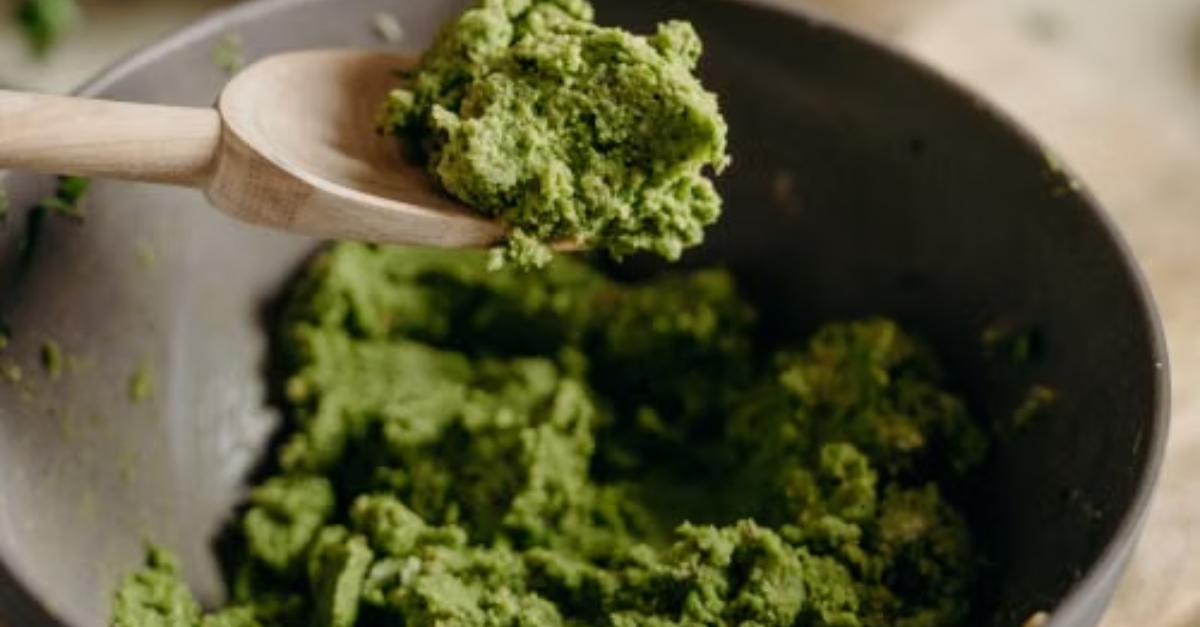
Blend the mixture on high speed for 1–2 minutes until you achieve a smooth, thick paste. The consistency should be similar to a wet face mask—spreadable but not runny. If the mixture appears too dry, add a few drops of rosewater at a time until the desired texture is reached. If it becomes too thin, add another guava leaf and blend again .
Step 4: Use Immediately or Store
For best results, use the paste immediately after preparation, as the active compounds begin to degrade upon exposure to air. If you need to store it, transfer the paste to a small airtight container and refrigerate for up to 2–3 days. Before each use, check for any signs of spoilage or unpleasant odor.
Application Guidelines
For Facial Use
Wash your face with warm water and a mild cleanser, or steam your face for 5 minutes to open the pores . Apply the fresh paste evenly across your face, avoiding the delicate eye area. Leave it on for 10–15 minutes, but do not allow it to dry completely—remove it just before it fully dries . Rinse thoroughly with cool water. For best results, use this treatment 2–3 times per week for approximately one month .
For Hair Care
Massage the paste into your scalp and hair roots, ensuring full coverage. Leave it on for 25–30 minutes, then wash with lukewarm water and a gentle shampoo. Follow with a few tablespoons of coconut oil to moisturize .
Patch Test
Before applying to your face for the first time, perform a patch test on a small area of your inner forearm. Wait 24 hours to check for any adverse reaction. Mild irritation may occur, but if significant redness, burning, or swelling develops, discontinue use .
Nutrition Profile
Guava leaves are exceptionally nutrient-dense. The following values are based on 100 grams of fresh guava leaves :
| Nutrient | Amount |
|---|---|
| Moisture | 82.47–84.47% |
| Carbohydrates | 12.74 g |
| Protein | 18.53 g |
| Fat | 0.62 g |
| Ash | 3.64 g |
| Calcium | 1,660 mg |
| Phosphorus | 360 mg |
| Potassium | 1,602 mg |
| Iron | 13.50 mg |
| Magnesium | 440 mg |
| Vitamin C (Ascorbic Acid) | 103–183.50 mg |
| Vitamin B | 14.80 mg |
| Gallic Acid | 1,717 mg |