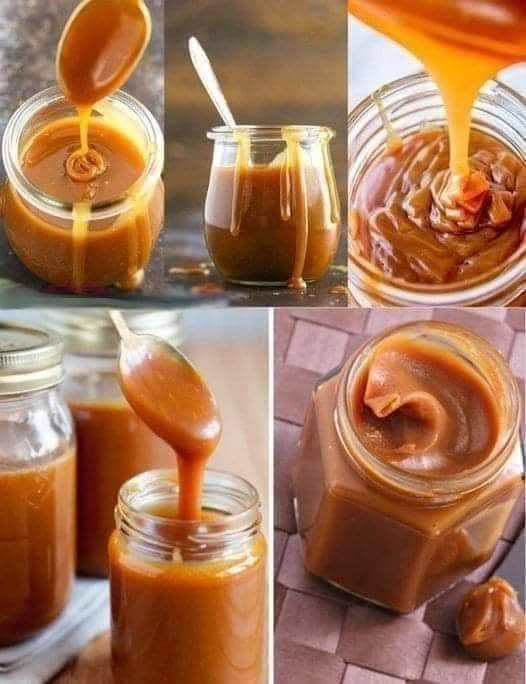
Prep Time: 5 minutes
Cook Time: 10–12 minutes
Total Time: 15–17 minutes
Difficulty: Medium
Cuisine: American / French-inspired
Course: Dessert, Condiment
Intensity Level: Medium – requires full attention due to hot sugar
Introduction
Homemade caramel sauce is one of those simple yet transformative recipes every home cook should have in their repertoire. Made from just a handful of pantry staples — sugar, butter, cream, and a pinch of salt — it delivers a rich, velvety, deep amber sauce that can elevate everything from ice cream and pancakes to cakes, coffee, and popcorn. While store-bought caramel is convenient, nothing compares to the flavor of a fresh, homemade batch: it is glossier, more complex, and wonderfully aromatic, with notes of toasted sugar and browned butter.
Despite its reputation, caramel is not difficult to make — it simply demands patience and attention. The key is to resist stirring the sugar as it melts and to watch the color carefully, because the difference between perfect caramel and burnt caramel is only a matter of seconds. This recipe uses the “wet” method, where water is added to the sugar to help it dissolve evenly, and it finishes with butter, warm cream, and sea salt for a balanced, buttery sauce with a hint of salinity. Once you master this base recipe, you can customize it endlessly — adding vanilla, bourbon, espresso, or spices.
Ingredients
-
1 cup (200 g) granulated sugar
-
¼ cup (60 ml) water
-
6 tablespoons (85 g) unsalted butter, cut into cubes, at room temperature
-
½ cup (120 ml) heavy cream, warmed
-
1 teaspoon (5 ml) pure vanilla extract (optional)
-
½ teaspoon (3 g) fine sea salt, or to taste
Equipment: A heavy-bottomed medium saucepan (light-colored interior preferred so you can see the caramel’s color), a wooden spoon or heatproof spatula, a whisk, a pastry brush, and a clean glass jar for storage.
Timing and Intensity Overview
| Stage | Time | Heat Intensity | Attention Level |
|---|---|---|---|
| Dissolving sugar | 3–5 min | Medium | Low–Medium |
| Caramelizing | 5–7 min | Medium | High |
| Adding butter & cream | 1–2 min | Low | High |
| Finishing & cooling | 5 min | Off heat | Low |
Overall recipe intensity: Medium. The process is quick, but the caramelization stage requires undivided attention — do not walk away.
Instructions
Step 1: Prepare Your Ingredients (Intensity: Low)
Before you begin, have everything ready and within arm’s reach. Caramel moves quickly, and there is no time to measure ingredients once the sugar starts to color. Cut the butter into cubes and let it come to room temperature. Warm the cream gently in a small saucepan or microwave until it is hot but not boiling (about 30–45 seconds). Lightly grease a glass jar with a neutral oil or butter to prevent sticking.
Step 2: Dissolve the Sugar (Time: 3–5 minutes; Heat: Medium; Intensity: Low–Medium)
In a heavy-bottomed medium saucepan, combine the granulated sugar and water. Place over medium heat and stir gently with a wooden spoon or heatproof spatula just until the sugar dissolves and the mixture begins to simmer — about 2–3 minutes. Once the sugar has dissolved, stop stirring. Stirring after this point can cause crystallization, which will make the caramel grainy.
If sugar crystals splash onto the sides of the pan, use a pastry brush dipped in water to wash them down.
Step 3: Caramelize the Sugar (Time: 5–7 minutes; Heat: Medium; Intensity: High)
Allow the sugar syrup to bubble undisturbed. Watch it closely as it transforms from clear to pale gold, then to a deep amber color. This usually takes 5–7 minutes, but the timing depends on your stove and pan. Gently swirl the pan occasionally — do not stir — to ensure even coloring. The caramel is ready when it reaches a rich, deep amber hue, similar to the color of an old copper penny. Do not let it darken too much, or it will taste bitter and burnt. If you are using a thermometer, aim for about 340–350°F (170–175°C).
Step 4: Add the Butter (Time: 1 minute; Heat: Low; Intensity: High)
Immediately reduce the heat to low. Carefully add the cubed butter all at once. The mixture will bubble up vigorously and may spatter, so stand back and stir gently with a whisk or wooden spoon until the butter is fully melted and incorporated, about 30–60 seconds. The caramel will look glossy and slightly lighter in color.
Step 5: Add the Cream (Time: 1 minute; Heat: Low; Intensity: High)
Slowly pour in the warm cream while whisking constantly. Again, the mixture will bubble up dramatically — this is normal. Stir until the cream is fully incorporated and the sauce is smooth. Let it simmer gently for 30–60 seconds to thicken slightly. If any hard bits of caramel have formed, keep stirring over low heat until they dissolve.
Step 6: Finish and Cool (Time: 5 minutes; Heat: Off; Intensity: Low)
Remove the saucepan from the heat. Stir in the vanilla extract (if using) and the sea salt. Taste and adjust the salt to your preference — a little extra salt beautifully balances the sweetness. Pour the caramel into the prepared glass jar and let it cool at room temperature for about 5–10 minutes before serving. It will thicken considerably as it cools.
Storage and Serving
Store the caramel sauce in a sealed glass jar in the refrigerator for up to 2 weeks. It will firm up when chilled; simply warm it in the microwave in 15-second intervals or set the jar in a bowl of warm water, stirring until it reaches a pourable consistency. Serve warm over ice cream, drizzled on pancakes, waffles, or apple slices, swirled into coffee or hot chocolate, or used as a dip for fruit and churros.
Nutrition Information
Serving Size: 2 tablespoons (approximately 30 g)
Servings Per Recipe: About 8
Calories: ~130 kcal
Total Fat: 9 g
Saturated Fat: 6 g
Cholesterol: 28 mg
Sodium: 75 mg
Total Carbohydrates: 13 g
Sugars: 13 g
Protein: 0 g