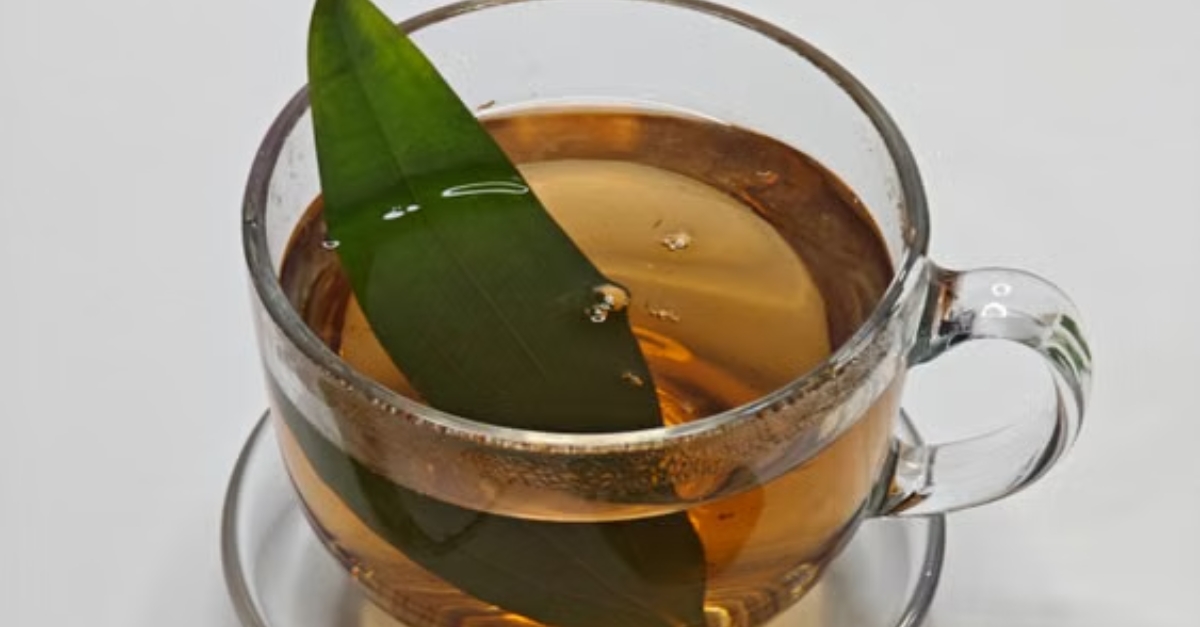
Prep Time: 2 minutes
Cook Time: 5-7 minutes
Total Time: 7-9 minutes
A Moment of Calm in a Cup
In the hustle of modern life, we often forget the power of simplicity. While bay leaves are a staple in our kitchens, lurking in stews and soups to impart deep, savory notes, they possess a secret life beyond the stockpot. Bay leaf tea is a gentle, aromatic brew that has been used for centuries in folk medicine and traditional wellness practices. It is not just a drink; it is a ritual—a warm, comforting pause in your day.
This recipe transforms the humble Laurus nobilis leaf into a caffeine-free elixir known for its potential to aid digestion, reduce inflammation, and calm the mind. The flavor is subtle yet complex: herbaceous, slightly floral, with a whisper of eucalyptus and a hint of black pepper. It is a sophisticated, grounding cup of tea that requires almost no effort but yields profound comfort.
Ingredients
To create the perfect cup, quality matters. Here is what you will need:
-
Fresh or Dried Bay Leaves: 2 to 3 leaves.
-
Note on Selection: If using fresh leaves, use 2 large leaves. If using dried leaves, use 3, as the drying process mutes the essential oils. Ensure they are whole and unbroken to preserve the flavor. Crucial Safety Note: Ensure you are using culinary bay leaves (Laurus nobilis), not the ornamental varieties (like the California bay laurel), which contain higher levels of compounds that can be toxic in large doses.
-
-
Water: 1 cup (8 oz / 240 ml).
-
Note on Water: Filtered water is preferred. Tap water with high chlorine content can interfere with the delicate flavor profile of the tea.
-
-
Optional Accents (The “Flavor Profile” Section):
-
Sweetener: 1 teaspoon of raw honey, maple syrup, or agave nectar. Honey is particularly complementary to the herbal notes.
-
Citrus: A thin slice of lemon or orange. The acidity cuts through the earthiness of the leaf.
-
Spice: A small knob of fresh ginger (sliced) or a cinnamon stick for a warming, chai-like experience.
-
Milk: A splash of oat milk or almond milk for a creamier texture.
-
Equipment
-
Small Saucepan: A 1-quart saucepan is ideal. While you can use a microwave, the stovetop allows for better control over the temperature and a more even infusion.
-
Fine Mesh Strainer: To catch the leaves and any sediment.
-
Teacup or Mug: Preferably a ceramic mug that retains heat well.
-
Measuring Cup: For precise water measurement.
-
Muddler or Spoon: To gently press the leaves (optional).
Instructions: The Step-by-Step Method
Phase 1: Preparation (Time: 2 Minutes | Intensity: Low)
Begin by gathering your ingredients. If you are using fresh bay leaves, rinse them gently under cold water to remove any dust or residue. If you are using dried leaves, inspect them to ensure they are not brittle or brown—they should still have a slight green hue. Place your leaves into the small saucepan. If you are using ginger or cinnamon, add it now. You want the dry ingredients to hit the water at the same time.
Phase 2: The Boil (Time: 3 Minutes | Intensity: Medium)
Pour the 1 cup of filtered water into the saucepan over the bay leaves. Place the saucepan on the stove over medium-high heat. Bring the water to a rolling boil. This usually takes about 3 to 4 minutes. Keep an eye on it; you want the water to move rapidly, but you don’t want it to boil over.
Phase 3: The Infusion (Time: 5 Minutes | Intensity: Low/Simmer)
Once the water reaches a rolling boil, immediately reduce the heat to low. You want the water to be at a gentle simmer—bubbles should be small and occasional, not a rolling boil. Cover the saucepan with a lid. This is critical; covering the pot traps the volatile oils (the medicinal and aromatic compounds) that would otherwise evaporate into the air.
Let the tea simmer for 5 minutes. If you prefer a stronger, more bitter brew, you can let it simmer for up to 7 minutes. However, be cautious: steeping too long can draw out tannins that make the tea taste overly astringent and woody.
Phase 4: The Press & Strain (Time: 1 Minute | Intensity: Low)
After 5 minutes, remove the saucepan from the heat. Using a spoon or a muddler, gently press the bay leaves against the side of the pan. This helps release any remaining oils. Carefully pour the tea through a fine mesh strainer into your teacup or mug. If you used ginger or cinnamon, strain those out as well.
Phase 5: The Finish (Time: 1 Minute | Intensity: Low)
Now, you customize. If you are using honey, add it while the tea is hot so it dissolves fully. Stir in your lemon or milk if desired. Take a moment to inhale the steam—the aroma is part of the therapy.
Tasting Notes & Serving Suggestions
Flavor Profile:
The initial sip is mild and warm. You will notice a flavor that is reminiscent of a mild green tea but without the grassy bitterness. The mid-palate brings a subtle floral note, followed by a lingering, savory finish that is distinctly “bay.” It is earthy and grounding.
Best Served:
Serve immediately while hot. Bay leaf tea is an excellent evening beverage as it is completely caffeine-free. It pairs beautifully with light desserts, such as shortbread cookies or biscotti, or simply on its own as a digestive aid after a heavy meal.
Nutritional Information
Disclaimer: The nutritional information below is an estimate based on the base recipe (water and bay leaves only). It does not include optional ingredients like honey or milk. Nutritional values can vary based on steeping time and the specific size of the leaves.
-
Serving Size: 1 Cup (240 ml)
-
Calories: 2
-
Total Fat: 0g
-
Saturated Fat: 0g
-
Trans Fat: 0g
-
Cholesterol: 0mg
-
Sodium: 1mg
-
Total Carbohydrate: 0.5g
-
Dietary Fiber: 0.1g
-
Total Sugars: 0g
-
Protein: 0g