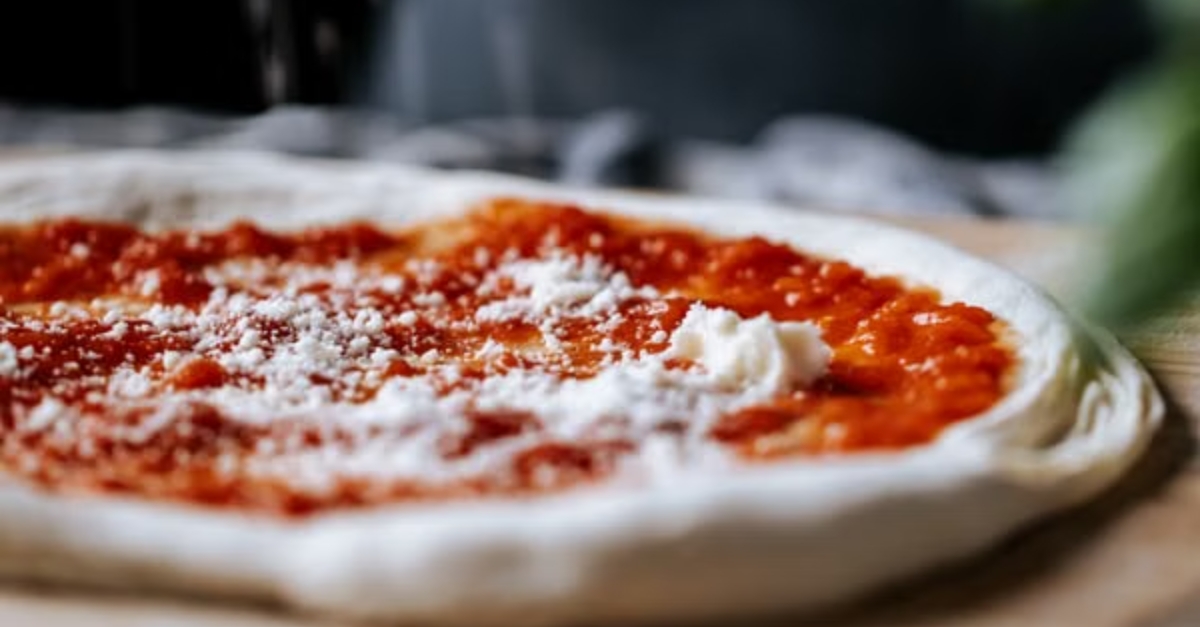
-
Prep Time: 20 minutes
-
Rise Time: 2 to 24 hours (Room temperature or cold fermentation)
-
Bake Time: 8 to 12 minutes per pizza
-
Total Time: 2 hours 30 minutes (with quick rise)
-
Intensity/Skill Level: Intermediate
-
Yield: 4 individual pizza dough balls (approx. 250g each)
Introduction
Making exceptional pizza dough at home is one of the most rewarding culinary skills you can master. This recipe creates a dough with a crisp exterior, airy and chewy crumb, and deep, developed flavor. Whether you are using a standard home oven with a baking steel or an outdoor pizza oven, this versatile dough provides the perfect foundation for your favorite toppings.
Ingredients
-
Bread Flour: 600g (approx. 4 3/4 cups) — High protein content provides the essential gluten structure for stretch and chew.
-
Warm Water: 380ml (approx. 1 1/2 cups) — Hydration at roughly 63% for optimal workability and oven spring.
-
Active Dry or Instant Yeast: 5g (approx. 1 1/2 teaspoons)
-
Fine Sea Salt: 12g (approx. 2 teaspoons) — Crucial for strengthening gluten and enhancing flavor.
-
Extra Virgin Olive Oil: 15ml (1 tablespoon) — Adds a touch of tenderness to the crumb.
-
Sugar or Honey: 5g (1 teaspoon) — Optional, helps feed the yeast and promotes browning.
Step-by-Step Instructions
1. Hydrating and Activating the Yeast
Begin by measuring your lukewarm water in a large mixing bowl. The water should feel comfortably warm to the touch, roughly 38°C to 41°C. Stir in the sugar and sprinkle the yeast over the surface. Let the mixture sit undisturbed for 5 to 10 minutes until a light, creamy foam forms on top. This indicates that your yeast is active and ready to ferment.
2. Mixing the Dry and Wet Ingredients
Add the extra virgin olive oil to the yeast mixture. In a separate, large bowl, whisk together the bread flour and fine sea salt. Gradually incorporate the flour mixture into the liquid. Using a wooden spoon or your hands, mix until a shaggy dough forms and no dry flour remains.
3. Kneading for Gluten Development
Turn the dough out onto a clean, lightly floured work surface. Knead the dough vigorously for 10 to 12 minutes. Push the dough away with the heel of your hand, fold it back over itself, and give it a slight turn. Continue this rhythmic motion until the dough transforms from rough and sticky into a smooth, elastic ball that springs back slightly when poked. (Alternatively, use a stand mixer fitted with a dough hook attachment on low speed for 8 minutes).
4. The Bulk Fermentation (First Rise)
Lightly oil a large bowl with a few drops of olive oil. Place the dough ball inside, turning it over once to coat it lightly. Cover the bowl tightly with plastic wrap or a damp kitchen towel to prevent a dry skin from forming. Let the dough rise in a warm, draft-free area for 1.5 to 2 hours, or until it has doubled in size.
Pro Tip for Maximum Flavor: For superior flavor and texture, cover the bowl and place it in the refrigerator for 24 to 48 hours to undergo cold fermentation.
5. Dividing and Shaping the Dough Balls
Gently deflate the risen dough by pressing your fingers into the center. Transfer the dough to a lightly floured surface. Using a bench scraper or sharp knife, divide the dough evenly into 4 equal portions (each weighing approximately 250g).
To shape each portion into a tight ball, cup your hand over the piece of dough and roll it in a circular motion against the counter, creating surface tension.
6. The Second Rise (Proofing)
Place the shaped dough balls on a lightly floured baking sheet or into individual oiled containers, leaving space between them for expansion. Cover them loosely and let them rest at room temperature for 45 to 60 minutes until puffy and relaxed.
Chef’s Notes & Best Practices
-
Flour Choice: While all-purpose flour works in a pinch, bread flour contains higher protein content, which is necessary to trap gas bubbles and support high-temperature baking without tearing.
-
Stretching vs. Rolling: Never use a rolling pin to flatten your dough, as this pushes out all the precious air bubbles. Instead, use your fingertips to press the air outward toward the crust edge, then gently stretch the dough over your knuckles.
-
Oven Setup: Preheat your oven with a pizza stone or baking steel placed on the middle rack at its highest temperature (usually 250°C to 280°C) for at least 45 minutes before baking.
Nutritional Information
Values are estimated per single 250g dough ball (recipe yields 4 servings).
-
Calories: 365 kcal
-
Total Fat: 4.2g
-
Saturated Fat: 0.6g
-
-
Sodium: 680mg
-
Total Carbohydrates: 71g
-
Dietary Fiber: 3g
-
Sugars: 1g
-
-
Protein: 11g