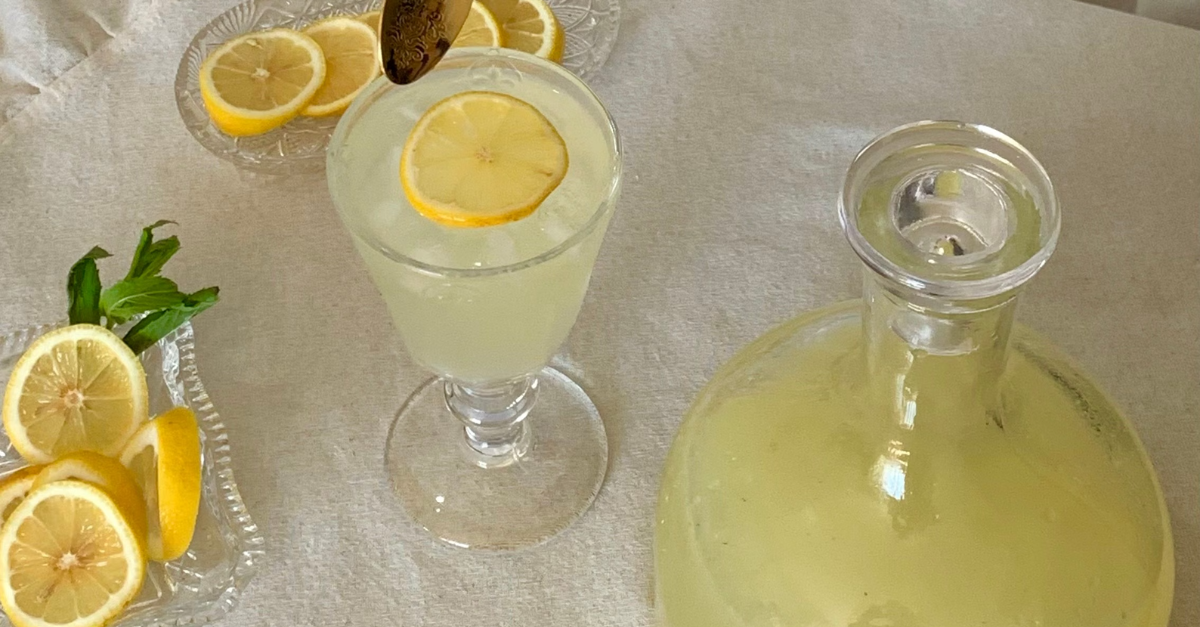
Preparation and Initial Infusion
Time: 20 minutes active | Intensity: Low
-
Prepare the Lemons: Wash and thoroughly dry the lemons. Using a vegetable peeler, carefully remove the yellow zest in strips, taking care to leave behind the white pith, which is bitter .
-
Combine Ingredients: Place the lemon zest into your large glass jar. Pour the liter of grain alcohol over the peels. Seal the jar tightly.
-
Begin Steeping: Shake the jar gently to combine. To protect the infusion from light, wrap the jar in a tea towel or place it inside a dark cabinet. Let it steep for a minimum of 3 weeks . For a smoother, more intense flavor, you can let it steep for up to 30 days . Shake the jar once every few days.
Phase 2: Creating the Simple Syrup
Time: 10 minutes active | Intensity: Low
-
Boil Water: After the initial steeping period is complete, bring the 1.25 liters of water to a boil in a large pot.
-
Dissolve Sugar: Once boiling, add the 800 grams of sugar. Stir continuously until the sugar is completely dissolved, which takes about 2 minutes .
-
Cool: Remove the pot from the heat and allow the simple syrup to cool until it is lukewarm. It is crucial that the syrup is not hot when combined with the alcohol, as this can affect the final clarity and flavor .
Phase 3: Combining and Final Infusion
Time: 15 minutes active | Intensity: Low
-
Strain the Alcohol: Pour the lemon-infused alcohol through a fine-mesh strainer into the pot of cooled simple syrup. Discard the lemon zest (it has given all it has to offer).
-
Mix and Strain Again: Stir the mixture well. For a cleaner, more polished liqueur, strain the combined mixture once more through a strainer lined with cheesecloth or a coffee filter.
-
Bottle: Funnel the limoncello into clean, sterilized bottles. Seal them tightly.
Phase 4: Maturation and Storage
Time: 2–3 weeks resting | Intensity: None
-
Rest: Store the bottled limoncello in a dry, cool, and dark space for approximately 2 to 3 weeks to allow the flavors to mellow and marry .
-
Freeze and Serve: After maturing, transfer the bottles to the freezer. Limoncello is traditionally served icy cold in small, chilled glasses as a digestif . It will not freeze solid due to the alcohol content.
Recipe Notes and Variations
-
Lemon Selection: Organic, unwaxed lemons are essential because you are consuming the peel. If only waxed lemons are available, scrub them thoroughly in warm water with a little vinegar and baking soda before peeling .
-
Alcohol Strength: Using 95% grain alcohol yields a strong, authentic liqueur. If you prefer a milder drink, you can use 100-proof vodka, though the final alcohol by volume (ABV) will be lower .
-
Sweetness Adjustment: The amount of sugar can be adjusted to taste. If you prefer a less sweet liqueur, reduce the sugar to 600 grams. Conversely, for a sweeter version, you can increase it slightly, but be careful not to overpower the lemon flavor.
Nutrition Information
Note: Nutritional values for homemade liqueurs vary significantly based on the specific alcohol used and the final dilution. The following is an estimate for a standard serving.
Serving Size: 1 shot (approximately 1.5 oz / 44 ml)
Servings Per Recipe: Approximately 35–40
-
Calories: ~140–170 kcal
-
Total Fat: 0 g
-
Saturated Fat: 0 g
-
Cholesterol: 0 mg
-
Sodium: 0–1 mg
-
Total Carbohydrates: 18–22 g
-
Sugars: 18–22 g
-
Protein: 0 g