| Prep (chop, peel, measure) | 10 minutes | Low |
| Charring vegetables on stovetop | 8–10 minutes | Medium (watch closely) |
| Blending | 1–2 minutes | Low |
| Resting | 30 minutes | None (passive) |
| Total | ~50 minutes | Easy–Moderate |
Step-by-Step Instructions
Step 1: Prep the Vegetables (10 minutes | Low intensity)
Rinse the tomatoes, jalapeños, and cilantro. Peel the onion and garlic. Quarter the onion, and if you prefer a milder salsa, remove the seeds and pith from the jalapeños (leave them in for maximum heat). Keep the cilantro leaves whole — no need to chop finely since it will be blended.
Step 2: Char the Aromatics (8–10 minutes | Medium intensity)
Heat a large dry skillet (preferably cast iron) over medium-high heat until a drop of water sizzles on contact. Add the tomatoes, jalapeños, onion quarters, and garlic cloves in a single layer. Char each side, turning occasionally with tongs, until the vegetables are blistered and blackened in spots — about 6–8 minutes for the tomatoes, 4–6 minutes for the jalapeños and onion, and 2–3 minutes for the garlic. Remove pieces as they finish and set them on a plate to cool slightly. (No skillet? Broil on a sheet pan for 8–10 minutes, flipping once, or use raw vegetables for a fresher, brighter salsa.)
Step 3: Blend to Your Texture (1–2 minutes | Low intensity)
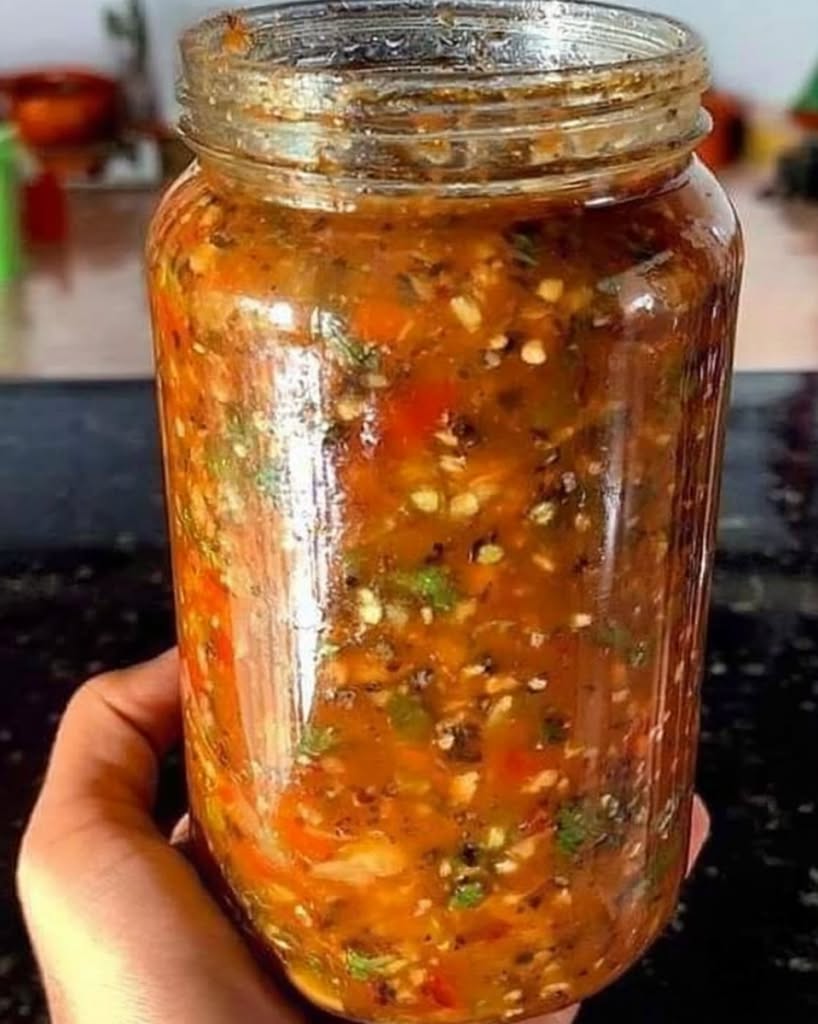
Transfer the charred vegetables to a blender or food processor, along with any juices on the plate. Add the cilantro, lime juice, salt, cumin, and sugar. Pulse 6–10 times for a chunky, rustic salsa, or blend continuously for 20–30 seconds for a smooth, restaurant-style consistency. If the salsa is too thick, add water one tablespoon at a time until it reaches your desired consistency. Never over-blend — you want small flecks of tomato and pepper visible.
Step 4: Taste and Adjust (2 minutes | Low intensity)
Taste the salsa while it’s still slightly warm. Adjust the heat by adding another jalapeño, balance the acidity with more lime, deepen the flavor with an extra pinch of salt or cumin, or mellow the sharpness with a small pinch of sugar. Remember that flavors intensify after resting, so err on the side of caution with heat.
Step 5: Rest (30 minutes | Passive)
Pour the salsa into an airtight container and refrigerate for at least 30 minutes. This resting period — not optional if you want the best flavor — allows the acids, salts, and aromatics to marry, producing a rounder, more complex taste. The salsa will keep in the refrigerator for up to 5 days, and the flavor peaks around day 2.
Notes & Tips
-
Heat control: Jalapeño heat varies wildly. Taste a sliver of each pepper before adding it. For a fruitier heat, substitute serrano or Fresno chiles; for a smoky, milder heat, use roasted poblano.
-
Texture tips: For a chunkier salsa, reserve ¼ cup of finely diced raw tomato and onion and stir them in after blending.
-
Food safety: Wear gloves when handling hot peppers, and never touch your eyes afterward. Keep the salsa refrigerated — homemade salsa has no preservatives and is not shelf-stable.
-
Scaling: This recipe doubles easily. Char the vegetables in batches so they blacken rather than steam.
Serving Suggestions
Spoon over tacos, quesadillas, grilled chicken, or fish; stir into scrambled eggs; use as a dip for tortilla chips; or thin it slightly with water to use as a base for salad dressings and marinades.
Nutrition Information (per 2-tablespoon serving, estimated)
(Calculated for 24 servings; optional sugar included, cumin included. Values are estimates and will vary with ingredient brands and portion sizes.)
-
Calories: 12 kcal
-
Total Fat: 0.1 g
-
Saturated Fat: 0 g
-
Trans Fat: 0 g
-
Cholesterol: 0 mg
-
Sodium: 98 mg
-
Total Carbohydrates: 2.6 g
-
Dietary Fiber: 0.7 g
-
Total Sugars: 1.4 g (includes 0.1 g added sugar)
-
Protein: 0.5 g
-
Vitamin C: 8% DV
-
Vitamin A: 4% DV
-
Potassium: 95 mg